
Who Decides When History Begins? The Problematic 19th Century Invention of “Prehistory” (MT25)
Late in the summer of 1859, the French archaeologist Jacques Boucher de Perthes stood in a muddy pit near the Somme River, holding a handaxe that shouldn’t have existed. The tool was unmistakably human; carefully chipped and shaped for a palm. Yet, it lay buried beside the bones of extinct animals. If the object was genuine, then humanity had been around long before anyone had ever thought to write anything down. Victorian scholars suddenly found themselves staring into a past it had no language for. Prehistory, a word that hardly existed before the 1860s, emerged as they sought to explain the existence of previously unknown ‘ancient humans’. What these scholars eventually produced was a seemingly perfect picture of historical directionality, provided one didn’t look too closely at who wasn’t allowed in the frame.
A few months after de Perthes made his discovery, Charles Darwin’s On the Origin of Species was published. The evidence of humanity’s ‘deep’ history was becoming overwhelming; accommodating it became a necessity. An imperfect process of recovering and representing our faraway past was the result. The term prehistory entered scholarly language with surprising speed. In writing his seminal work Pre Historic Times in 1865, John Lubbock was faced with a three-pronged problem: the past, the preservation of it, and the production of a ‘history’ that tries to explain it. The answer he and his contemporaries came up with was not forced upon them by a series of archaeological findings and anthropological insights: the ‘story’ they created was a consequence of the context of the nineteenth century. Archaeologists began arranging an array of bone fragments and broken tools/pottery into sequences, arguing that they reflected stages of technological development - stone, bronze, then iron. Working backwards, scholars of the period sought to reverse engineer some sense into their discoveries, seeking to create a theory that instilled order and direction within ‘deep’ history. Lubbock took this further. Inspired by Darwinian thought and fascinated by humanity’s origins, he argued that studying contemporary Indigenous societies could reveal what Europe had once been like. Lubbock crafted a grand model of social evolution, suggesting that Indigenous peoples were “living representatives” of the earliest condition of humankind. This claim made his work enormously influential, and equally problematic in a manner that only a modern audience can fully realise.
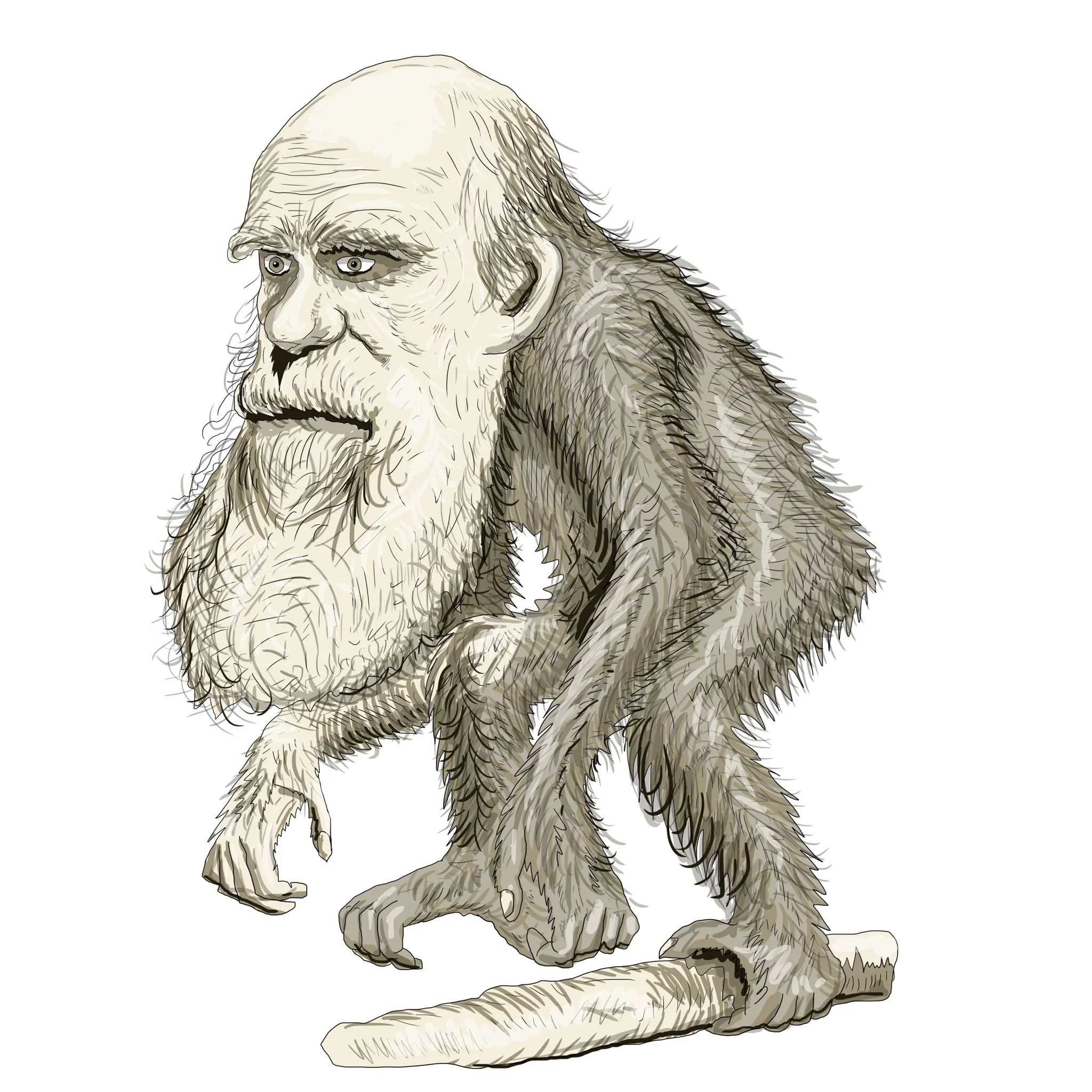
Lubbock’s theory came with moral weight. The supposedly ‘prehistoric’ were placed on the lower rung of a ladder of human progress. The supremacy of modern European achievement was propagated, imagined as the culmination of invention and intellect, while non-European cultures were determined to be behind in this imagined model of linear, ordered progress. Themes and ‘feel’ were essential to this narrative, and specific details could be rendered superfluous. Anthropology, still a young discipline in this period, absorbed this logic. Edward Tylor’s 1871 work Primitive Culture proposed that societies could be arranged according to levels of complexity, from “savagery” through “barbarism” to “civilisation.” These categories were, naturally, soaked in the value judgments impregnated into the heads of scholars by the societies in which they lived. As this idea of prehistory and a temporal hierarchy took root, it dovetailed almost effortlessly with the worldview of empire. Colonised peoples existed, in Victorian eyes, in an earlier chapter of the human story, one Europe had long since outgrown. Practices observed in colonised communities were judged based on Eurocentric aesthetic qualities and framed as remnants of early human stages. If some peoples lived in the “present” and others in the “past,” then inequality could be explained and justified as a simple matter of chronology.
European museums became one of the clearest stages on which this narcissism and prejudice played out in popular culture. In London’s British Museum, Paris’ Musée d’Ethnographie du Trocadéro, and, yes, Oxford’s very own Pitt Rivers Museum, curators arranged objects so they told a story of human ascent: ancient flint tools next to Indigenous spears, Bronze Age ornaments beside West African masks. The layout implied a progression from backwardness to sophistication, with Europe conveniently waiting at the finish line. This line of thought would seep into world fairs, and even adventure fiction like Rudyard Kipling’s 1888 short story The Man Who Would Be King. Colonial subjects were cast simultaneously as exotic and primitive, fascinating because they supposedly embodied an earlier world, and reassuring because they fit into Europe’s self-authored narrative of progress. The classification of ‘prehistoric’ became a potent justification for imperial domination, presenting empire as a project of mentorship (the “future” guiding the “past”) rather than one of conquest. The Victorian focus on the ‘beginnings’ of history was driven by a self-serving and irrational effort to define the superiority of modern Europe. The personal value of ‘prehistory’ to these scholars extended far beyond its intrinsic value to the study of ancient times.
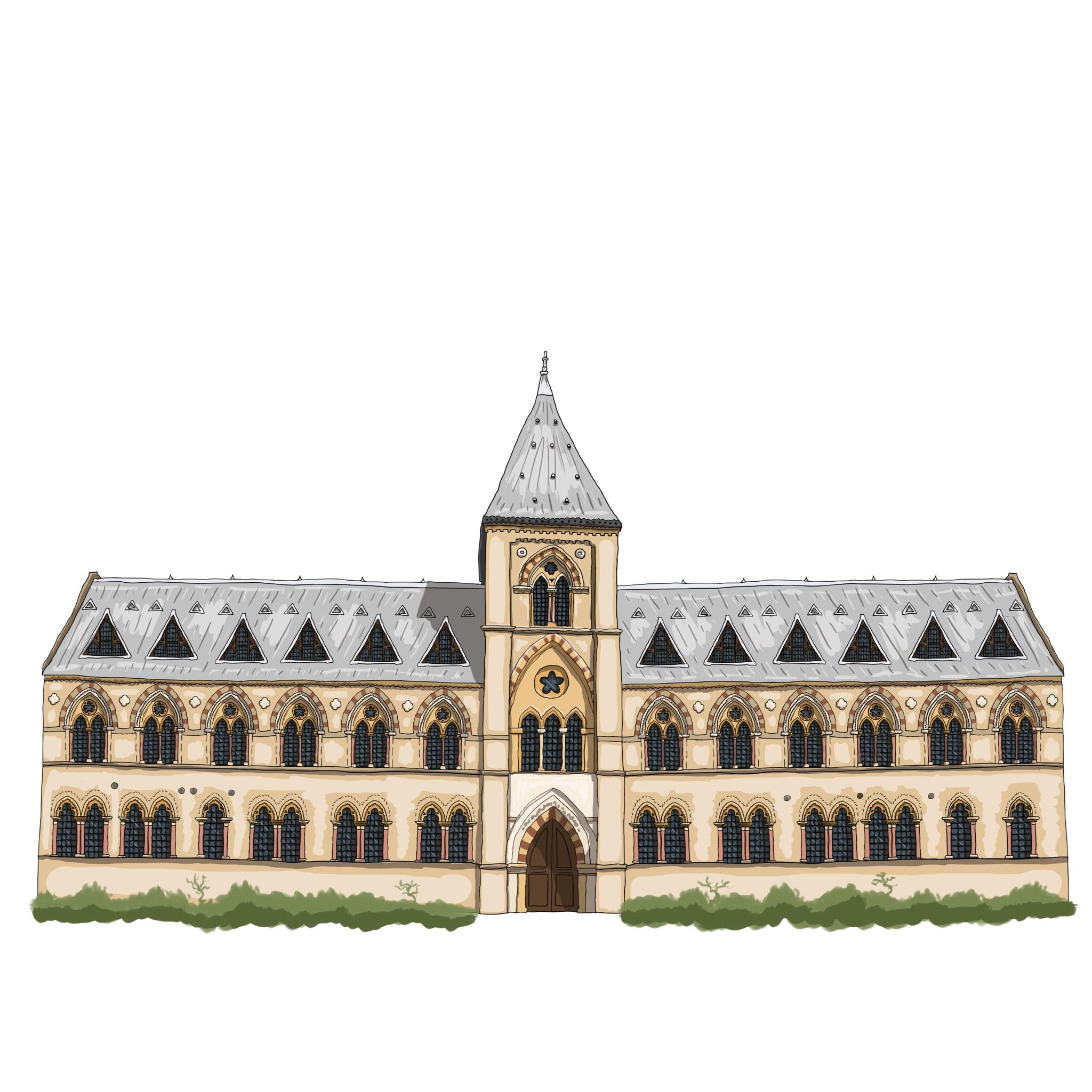
Today, the continued efficacy of the labels ‘prehistory’ and ‘history’ are, justifiably, being questioned. Modern archaeologists, anthropologists, and Indigenous scholars have challenged the idea that writing is the sole marker of a historical society. Oral traditions and material memory, the stories encoded in (among other things) objects and collective practice, have been increasingly recognised as forms of history in their own right. An interdisciplinary approach has rendered the rigid Victorian framework no longer sensible for understanding the majority of societies. In this advanced understanding, every society is ‘historical’ because every society remembers and shapes its world.
The legacy of older hierarchies, however, remains unmistakable, and its effects continue to be felt. Walk into many museums today, and you can still sense a Victorian architecture of time: European objects arranged by period or dynasty, while Indigenous artefacts sit in ethnographic galleries, as if suspended outside history altogether. Various curators have made an efforts to update labels or add context, but the spatial logic of this inherited model remains, and impedes progress beyond colonial tradition. The continuation of these mistakes and patterns in how we view the world is, largely, not the result of deliberate historical negationism, like genocide denial amongst extremist special interest groups, but instead the result of getting things wrong about history without being conscious of doing so.
In 1965, Claude Levi-Strauss remarked that “historical fact has no objective reality, it only exists as… retrospective reconstruction.” This is why questioning ‘beginnings’ matters. The moment one decides where history starts, and who counts as ‘historical’, one gives themselves the power to place certain peoples outside of it. There is perhaps a misconception that the study of history has left most of its problems in the past, or that we have grown somehow entirely capable of solving them. It’s easy to blame the present problems of historical construction on the ignorance of older generations, but in truth, we must continue to be critical of chosen concepts and theories, especially recognising that history is chaotic and has never followed a single line, and that no culture belongs at the top or bottom of it.
FURTHER READING
Henrika Kuklick, The Savage Within: The Social History of British Anthropology, 1885– 1945 (1992)
Miranda Lowe, & Subhadra Das, Nature Read in Black and White: Decolonial Approaches to Natural History Museums (2018)
Bernard Porter, The Absent-Minded Imperialists (2006)
Colin Renfrew, Prehistory: The Making of the Human Mind (2008)
David Wengrow, What Makes Civilization? The Ancient Near East and the Future of the West (2010)