
The Tyrant Is Not Powerful: Ancient Political Thought and the Illusion of Absolute Power (HT26)
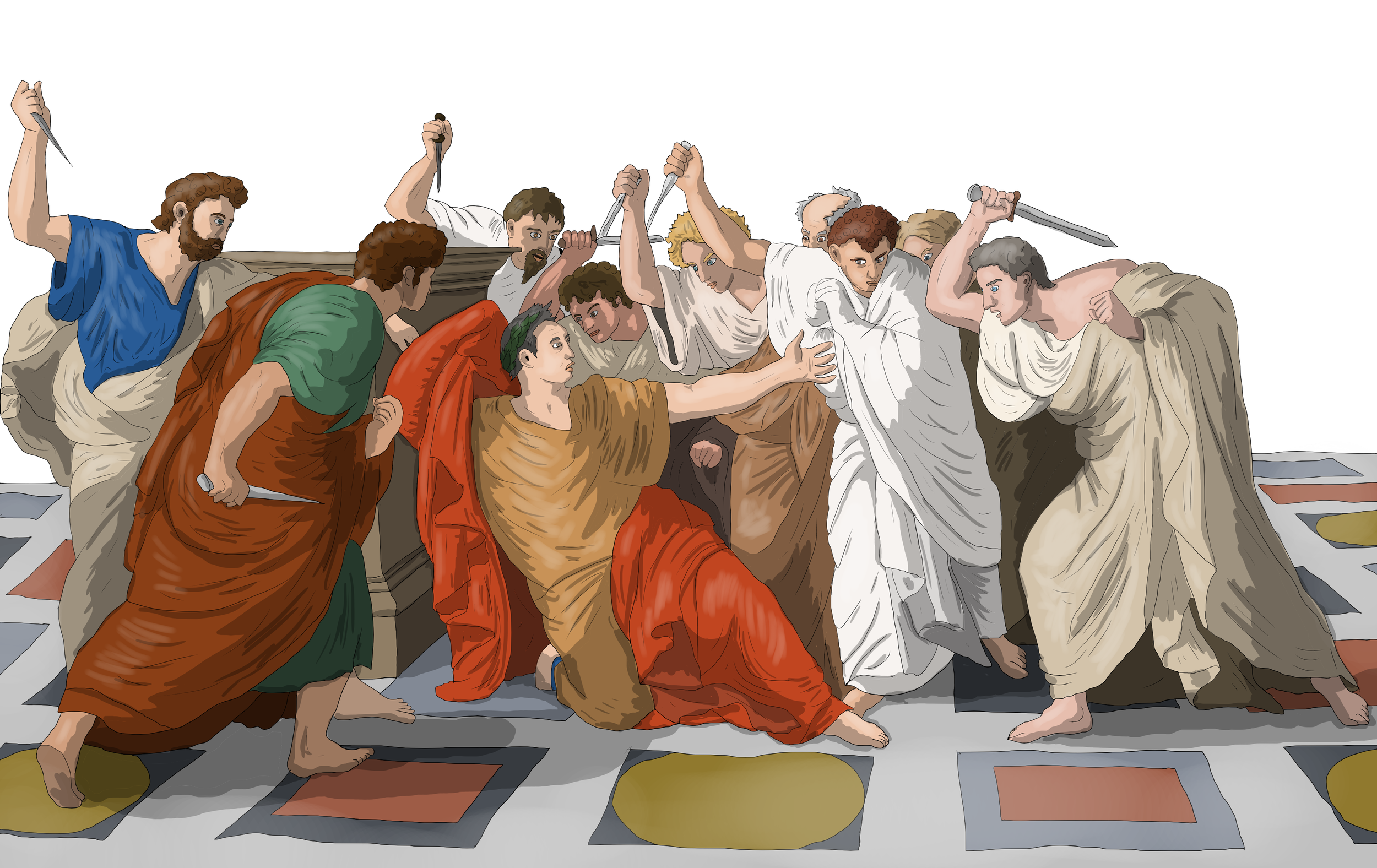
Power is often imagined at its most complete in the figure of the tyrant: the ruler who answers to no law, restrains no impulse, and commands without limit. Modern language still reflects this intuition. Tyranny is equated with omnipotence, and resistance with weakness. Yet Greek and Roman political thought consistently advances a far more unsettling claim: the tyrant is not powerful at all. He is constrained, fearful, dependent – and ultimately fragile. What appears as absolute power is, in ancient analysis, a condition of profound vulnerability.
This article argues that classical authors do not condemn tyranny primarily on moral grounds but diagnose it as a political and psychological failure. Tyranny is not dangerous because it is too strong, but because it mistakes domination for power. In doing so, it exposes the limits of coercion and offers a radically different account of what power actually consists in.
Tyranny and the Loss of Freedom
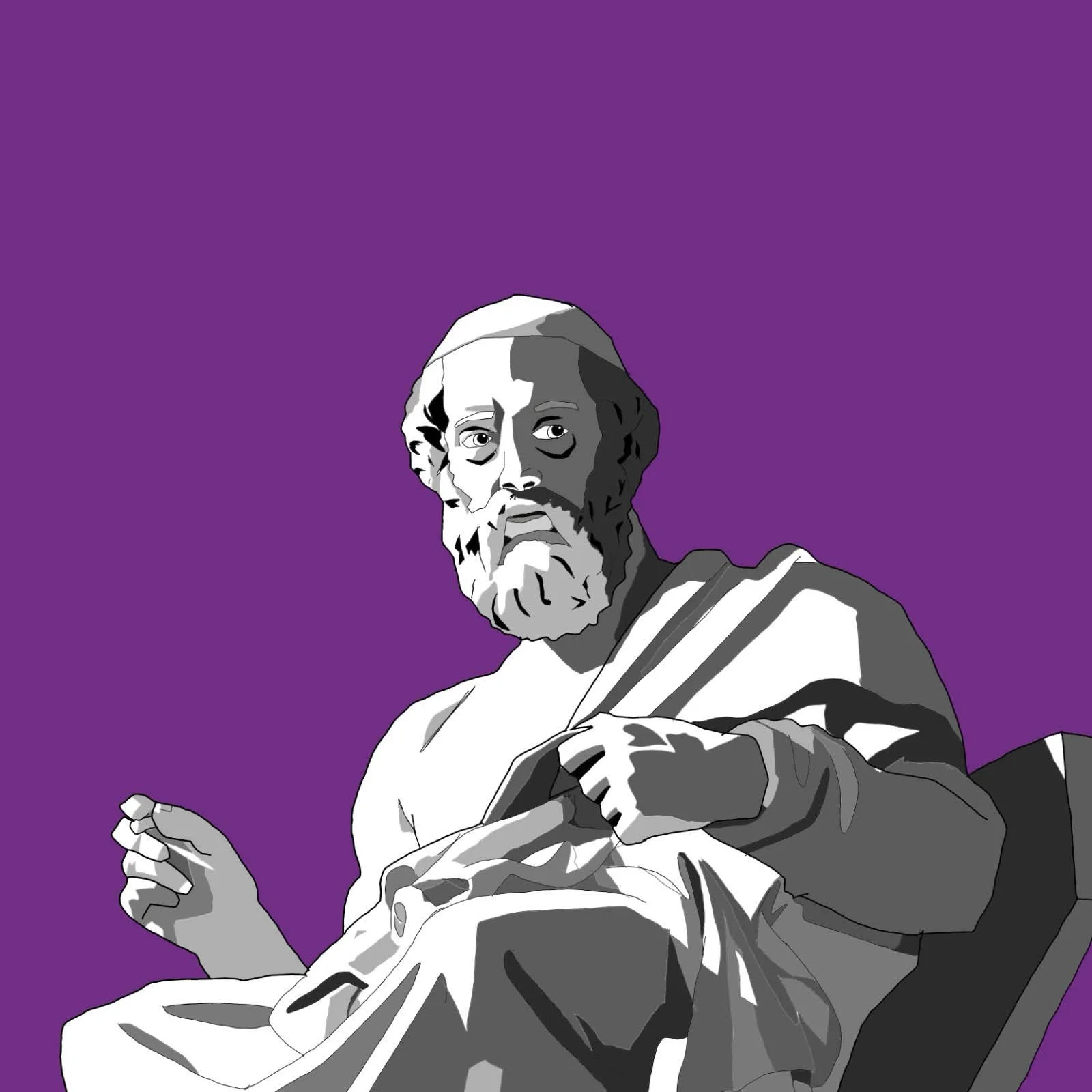
The most sustained ancient attack on tyranny begins not with its victims, but with the tyrant himself. In Plato’s Republic, the tyrannical man is the least free of all political types. His soul is ruled by appetite, his reason enslaved, his desires endless and mutually contradictory. Political tyranny is merely the outward projection of internal disorder. Since the tyrant cannot govern himself, he cannot rest; since he cannot rest, he must constantly assert control.
Plato’s argument is deliberately paradoxical. The tyrant appears to possess unlimited external freedom, yet lives in the permanent fear of his rivals, of conspirators, of those closest to him. His power depends entirely on vigilance and violence. Remove either, and his authority collapses. What looks like mastery over others is in fact dependence upon them: guards, informers, flatterers, executioners. The tyrant is never alone, and never secure.
This inversion is crucial. Power, in Plato’s account, is not the ability to compel, but the ability to remain unthreatened. Tyranny fails precisely because it cannot generate stability.
Tragedy and the Exposure of Command
Greek tragedy reinforces this diagnosis by staging tyranny not as strength, but as blindness. Creon in Sophocles’ Antigone insists on obedience as the measure of political order. His authority is public, explicit, and uncompromising. Yet the more he asserts it, the more isolated he becomes. Advice turns into opposition; dissent becomes treason. His rule collapses not because it is challenged from without, but because it cannot tolerate limitation.
Tragic tyrants repeatedly confuse being obeyed with being secure. They demand visibility through proclamations, punishments, and demonstrations of force, and in doing so reveal the anxiety that underpins their rule. Power that must constantly display itself has already begun to fail.
Roman Diagnoses: Fear as a Political System
Roman historians are even more explicit. In Tacitus, tyranny is characterised less by cruelty than by fear — not merely the fear imposed on subjects, but the fear experienced by rulers themselves. Emperors surrounded by guards, dependent on informers, obsessed with reputation and rumour, appear powerful only because the alternatives have been silenced.
Tacitus’ tyrant rules a society in which truth has become dangerous. Flattery replaces counsel; silence replaces loyalty. Yet this apparent stability is brittle. Without genuine consent or trust, power must constantly regenerate itself through repression. Tyranny becomes a self-consuming system.
What Tacitus exposes is not the excess of power, but its absence. Authority no longer rests on legitimacy or shared norms, only on terror and habit. Such power cannot endure.
The Illusion of Absolute Control
Across genres and periods, a consistent ancient insight emerges: domination is not the same as power. Coercion can enforce compliance, but it cannot generate loyalty, stability, or continuity. Tyrants rule, but they do not govern. They command, but they do not persuade. Their authority exists only in the present tense.
This explains why ancient political thought so often associates tyranny with short reigns, sudden collapses, and violent ends. The tyrant’s apparent strength conceals a fundamental weakness: he has no margin for error. Because his rule depends on fear, any relaxation threatens his position; because it lacks legitimacy, any challenge is existential.
Rethinking Power
The ancient critique of tyranny is not merely historical. It forces a re-evaluation of how power itself is defined. If power is measured by the capacity to endure, to adapt, and to command allegiance without constant enforcement, then tyranny represents not its culmination, but its negation.
Classical authors therefore do not present freedom and power as opposites. Instead, they suggest that unrestrained domination destroys the very conditions that make power possible. The tyrant is trapped by the system he creates, unable to step back, unable to trust, unable to relinquish control.
Conclusion
To read ancient discussions of tyranny is to encounter a deeply counterintuitive political wisdom. Absolute power is revealed as an illusion: impressive in appearance, but hollow in substance. The tyrant’s tragedy is not that he rules too much, but that he rules without foundations.
The lesson is not that power should be avoided, but that it should be understood. Power that depends on fear must constantly be renewed; power that rests on legitimacy can endure without force. In exposing the tyrant as weak, ancient political thought offers a lasting provocation: that the greatest threat to power is not resistance, but misunderstanding what power is.
Bibliography:
Plato’s Republic
Sophocles’ Antigone
Tacitus’ Annals
https://dsc.duq.edu/cgi/viewcontent.cgi?article=1448&context=etd
https://www.planksip.org/morality-and-power-in-platos-republic/
https://www.jstor.org/stable/262849